Education has the power to change lives, but for too many bright, driven students, cost gets in the way of pursuing it. We believe finances shouldn't decide who gets to go further. That's why we're here.
Applications open November 2nd at 1PM (PST). Please review the 2027 Program Guidelines prior to starting your application.
“What Comes After the Checklist?”, Alumna Abedah Siddiqui on Life After Graduation
BEEDIE LUMINARIES — Abedah Siddiqui has always been a textbook “high-achiever”.
At just twenty-three, she spends her mornings dressing in business formal to begin a career in public service as a Legislative Intern for the Government of British Columbia. She recently completed her Master’s degree at the University of British Columbia, defending an exceptional thesis before making her way to Victoria, B.C., and conquering living alone for the first time.
But what happens when you’ve seemingly figured everything out? And so soon?
In the confession below, Abedah sits with the unfamiliar weight of an unscripted life, and the realization that this time, the only one deciding what comes next is her. She asks herself, and the reader, one quiet but loaded question: what’s worth it?
ABEDAH SIDDIQUI — For most of my life, I always knew what came next.
Finish high school. Get into university. Take on leadership roles. Go to graduate school. Write a master’s thesis. Begin a career in public service.
Each milestone flowed neatly into the next. No gaps. No pauses. No confusion.
And then, during my internship at the BC Legislature, a mentor asked me a very simple question:
“So, what are your plans for the summer?”
I always have an answer to these questions, but this time, I froze. Not because I lacked options, but because I realized something new and slightly alarming: I don’t have an established plan for the summer (also, I realized adults don’t actually get summers off!?). There was no syllabus anymore, no automatic next step, and no prepared answer. For the first time, I wasn’t moving toward a predefined milestone. I was standing between them.
A Life Built on Momentum
Up until now, my path has been defined by motion.
As a child, moving to Canada and starting over in a new country reshaped my understanding of challenge. In elementary school, I was not just learning math and reading; I was learning a new education system, adapting to unfamiliar classrooms, and figuring out where I fit. I learned quickly that if I wanted to feel steady, I had to be proactive.
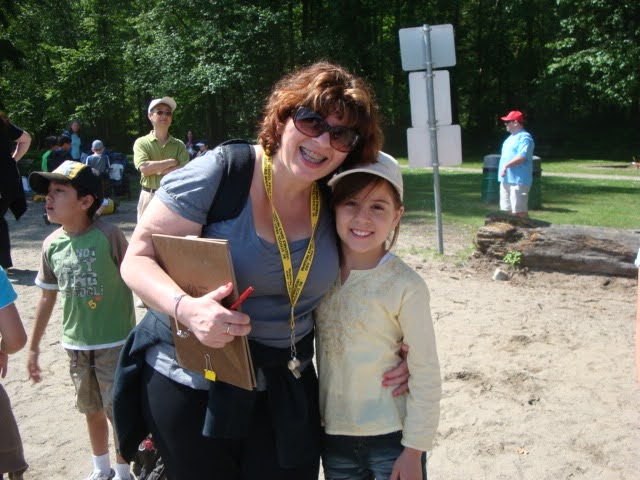
Grade 3 (2011), first year in Canada with my 3rd-grade teacher.
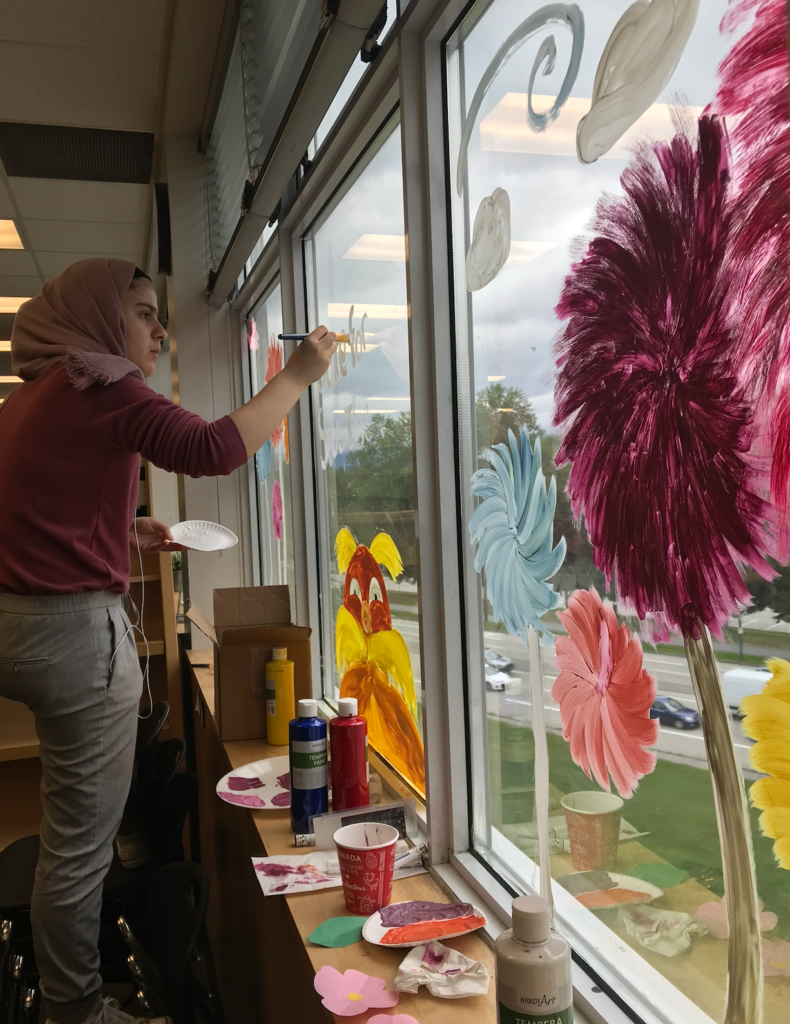
By the time I got to high school, I was comfortable with my learning and my new community. I enrolled in Advanced Placement courses, joined clubs, took on leadership roles, and sought out activities that stretched me beyond the classroom. I volunteered at the library and even took on small creative projects like painting seasonal murals on the windows. Here, I learned to manage competing deadlines, balance extracurricular commitments, and push myself academically without losing curiosity.
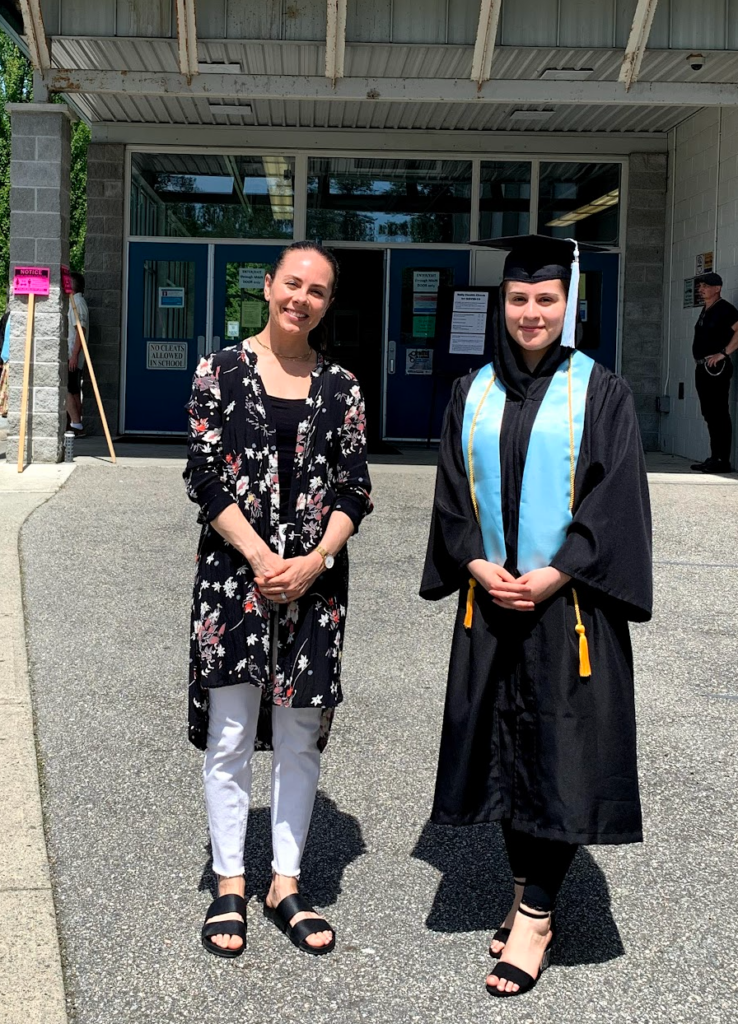
Left Image:Grade 11 (2019), volunteering at the library and starting a tradition of painting the windows for each season. Right Image: Grade 12 (2020), A very unconventional COVID grad “ceremony” with my leadership teacher, Ms. Greenside.
My academic path then continued with an undergraduate double major in Political Science and Environmental and Sustainability Studies, which gave me a foundation in both policy structures and environmental systems. During my undergrad, I was co-chair of UBC Model Parliament, which was a way for me to learn more about Canadian politics but also practice my favourite hobby, event planning. I completed a Master of Arts degree focused on environmental community governance in Afghanistan, a highly niche area that sits at the intersection of environmental politics, human rights, and institutional failure. I successfully balanced my graduate research with a community research leadership project, work, and my Teaching Assistant responsibilities.
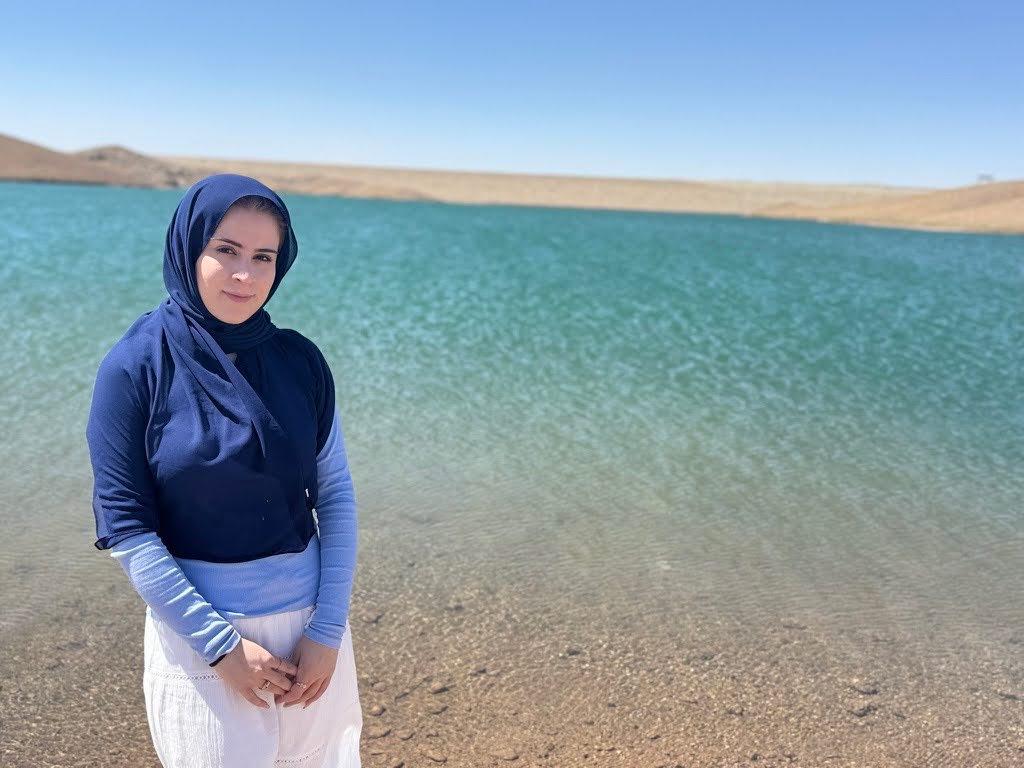
Above Image:2025, Pashdan Dam in Afghanistan, carrying out field observations for my Master’s research on environmental governance.
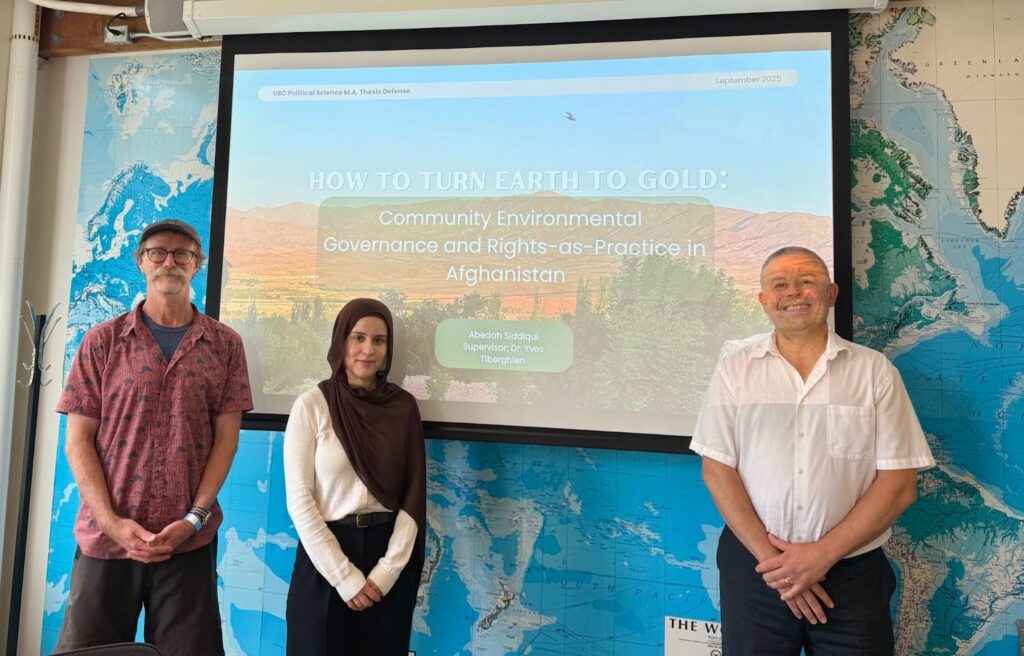
Above Image: 2025, MA thesis defence with supervisor Dr. Yves Tiberghien and second reader Dr. David Boyd.
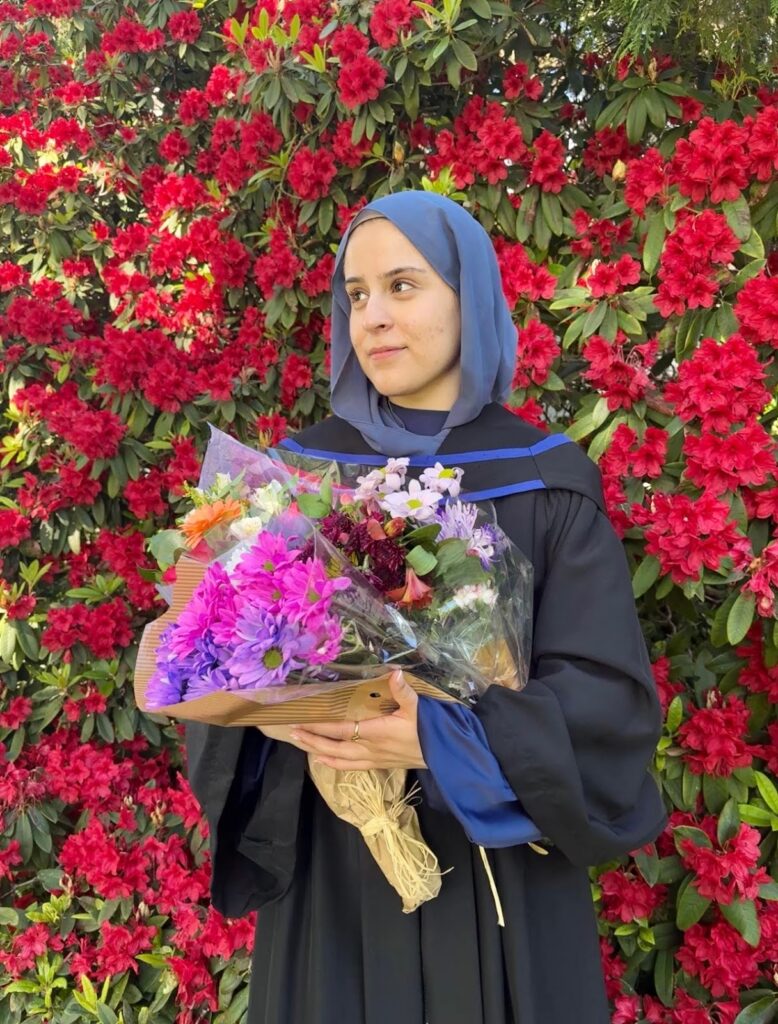
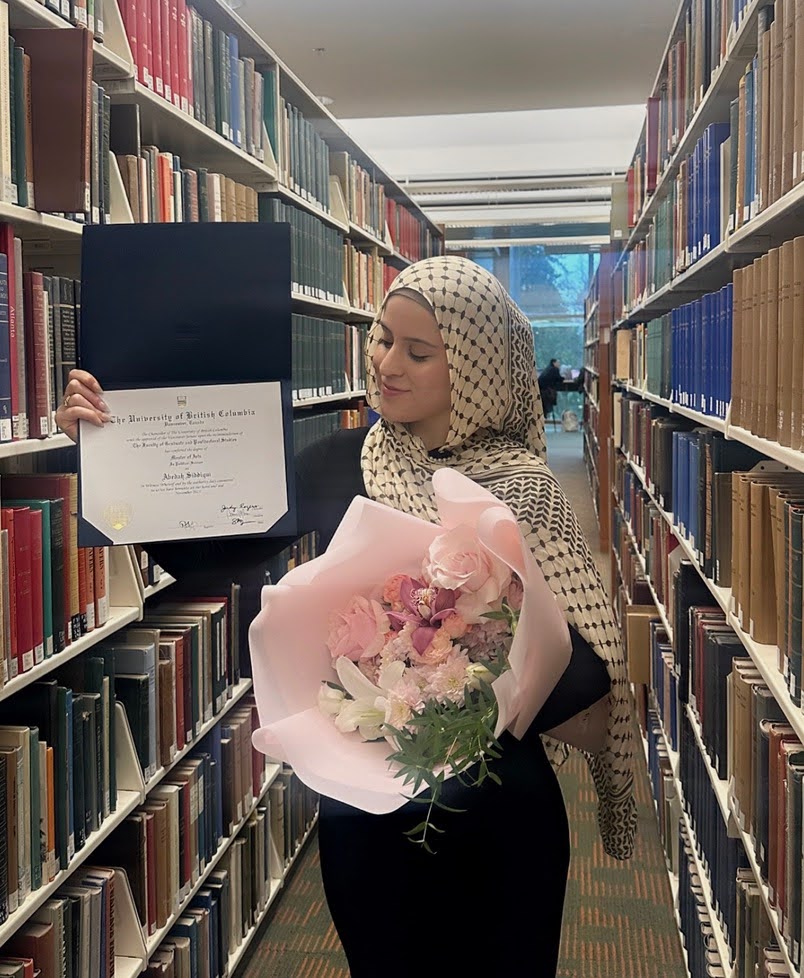
Left Image:2024, UBC Undergraduate Graduation Right Image: 2025, Master of Arts Graduation, UBC
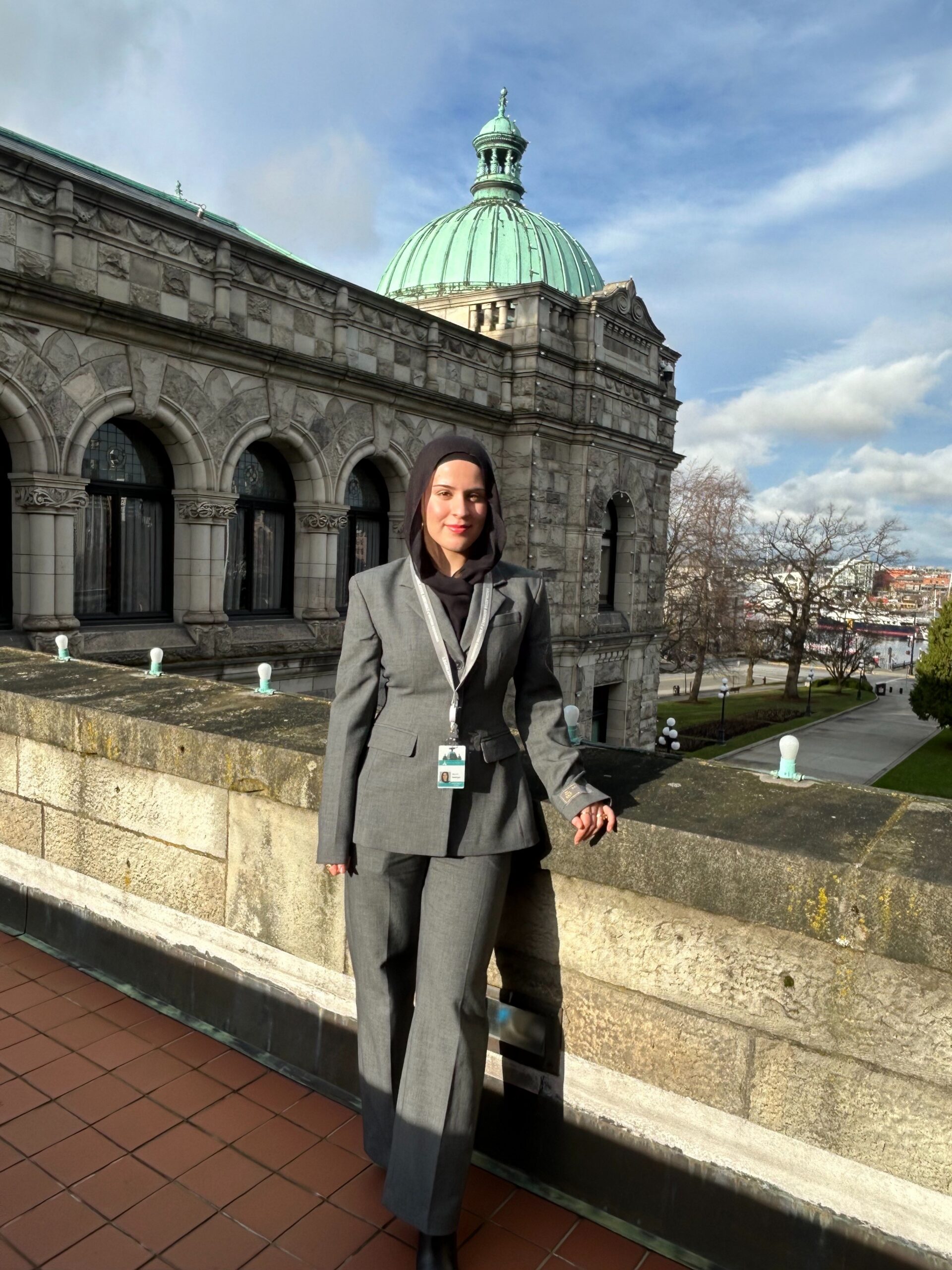
I took on opportunities back to back, always knowing what I was preparing for next. That momentum eventually carried me into the BC Legislature, where I now work as an intern, sitting in meetings, speaking with influential and inspiring people, and learning how decisions are shaped from inside the institution. This is also fun because I get to wear fancy outfits and tell people, “I’m busy, I have a meeting.”
The day I received my Legislature badge, I was surprised by how much it mattered. Sure, it felt materialistic, but it also felt symbolic, a literal key (with a really nice headshot of me), a sign that I had been trusted with access to the building that holds such importance. More than that, it was a reminder of how far I had come.
When Work Stops Being “Extra”
What unsettled me wasn’t the idea of working. I’ve always worked. What felt new was the idea that work might no longer be secondary, no longer something that fit around school, research, or the next credential. Instead, it might become the centre. That shift forces different questions. Not only can I do this, but how do I want to live while doing it? For the first time, I’m thinking seriously about what I’m not willing to sacrifice. Free time matters. Health matters. Family matters. I’ve worked hard enough to know that constant acceleration is not the same as progress. Success, for me, has actually stayed remarkably consistent over time: health, prosperity, family, and, ideally, a castle to live in one day. The difference now is that I’m thinking about how my choices support that life, not just how impressive they look on paper.
The Privilege of Choosing Carefully
Law school. A PhD. Full-time policy work. All are real possibilities. And for the first time, the question isn’t urgency, it’s alignment. This pause may be unplanned, but I feel now it is not accidental in the grand scheme of things. It’s made possible by support systems that allowed me to reach this point without burning out or narrowing my options prematurely. Being a Beedie Luminary meant I could focus on building capacity instead of scrambling for survival. It gave me the freedom to think long-term, rather than rushing into the next “correct” step.
” I’ve worked hard enough to know that constant acceleration is not the same as progress.”
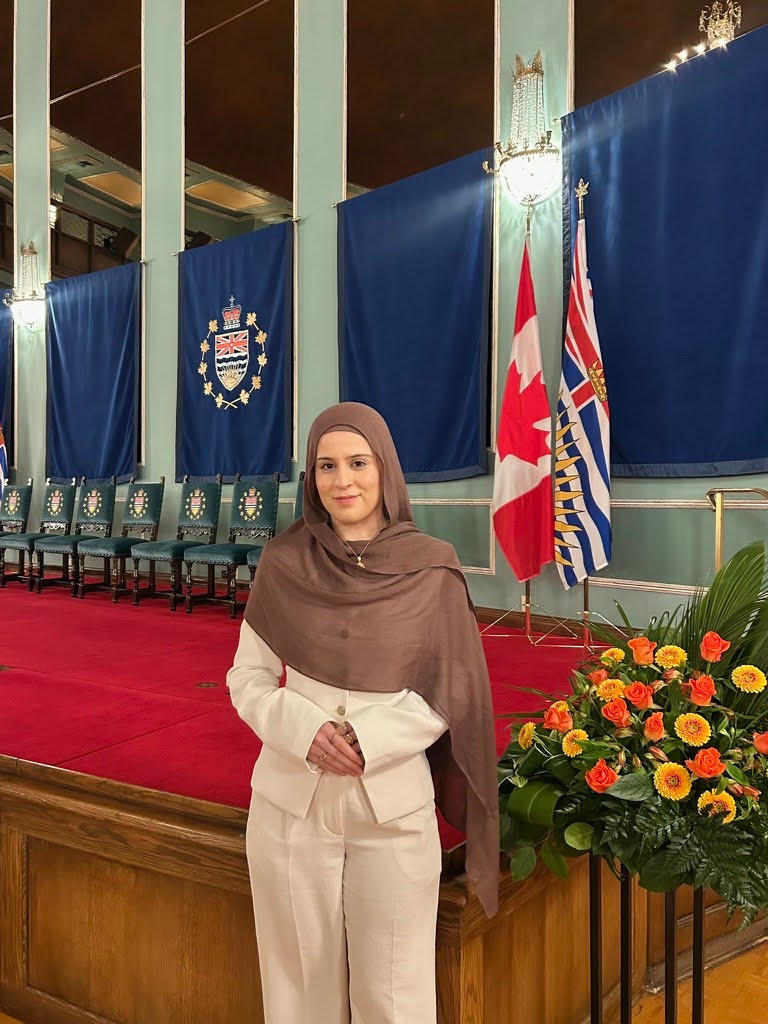
2026, Attending the Lieutenant Governor’s Reception at Government House.
I don’t have a tidy answer yet. But I do have confidence in my preparation, in my work ethic, and in my ability to choose deliberately rather than quickly. I know what matters to me and what I value, but I’m still figuring out how to settle into that life. Because, hard as it may be to believe, I’m not Barbie. I can’t be a researcher, lawyer, politician, and advocate all at once, no matter how cool that would be. If this stage of life is about anything, it’s learning that growth doesn’t always look like movement. Sometimes, it looks like standing still long enough to choose well.
If you’re someone who has always known your next step, this stage can feel unexpectedly disorienting. You’re used to momentum, to measurable progress, to success that’s easy to explain. So when the checklist runs out, it can feel like something has gone wrong. It hasn’t. What I’m learning is that uncertainty at this stage isn’t a sign of failure; it’s a sign that the decisions actually matter now. When the options are real, when the paths diverge meaningfully, you’re no longer being carried forward by structure. You’re being asked to choose intentionally.
That’s a different kind of challenge.
For the first time, the question isn’t what’s next?