Education has the power to change lives, but for too many bright, driven students, cost gets in the way of pursuing it. We believe finances shouldn't decide who gets to go further. That's why we're here.
Applications open November 2nd at 1PM (PST). Please review the 2027 Program Guidelines prior to starting your application.
More Than Music: Shenger Chen on How She Found Purpose Through Piano and Teaching
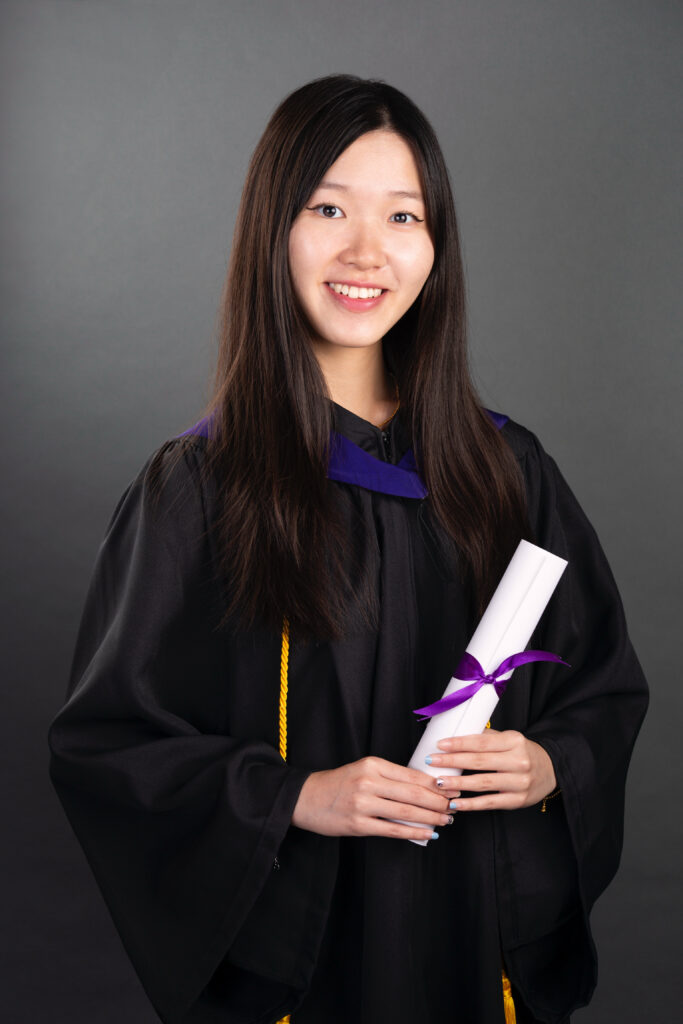
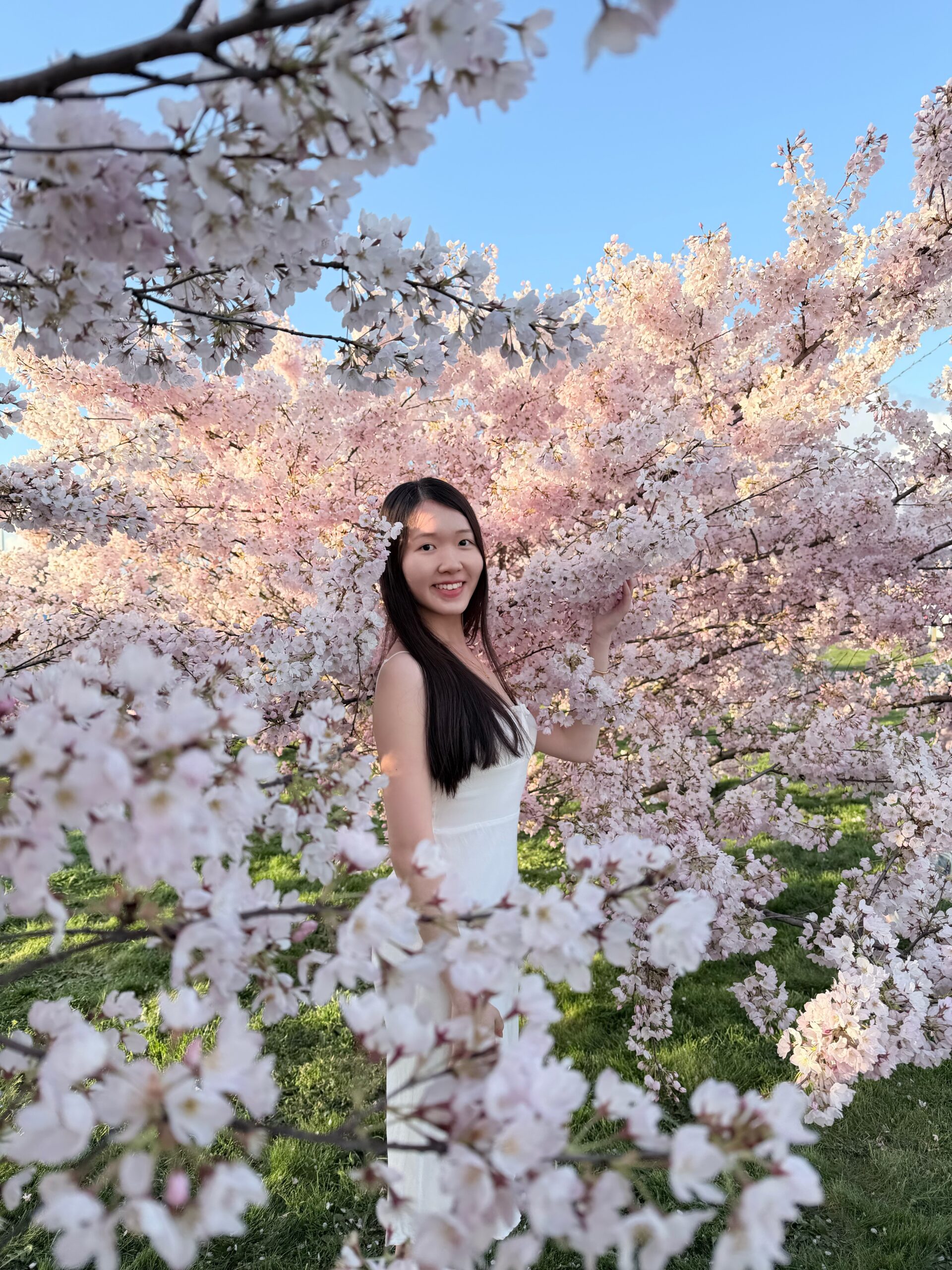
BEEDIE LUMINARIES — Shenger Chen studies sociology at The University of British Columbia (UBC) and is a Vancouver food and lifestyle content creator, but one of the most incredible things about this Beedie Luminary from Cohort 2023 is the journey she’s had learning, and now teaching, piano.
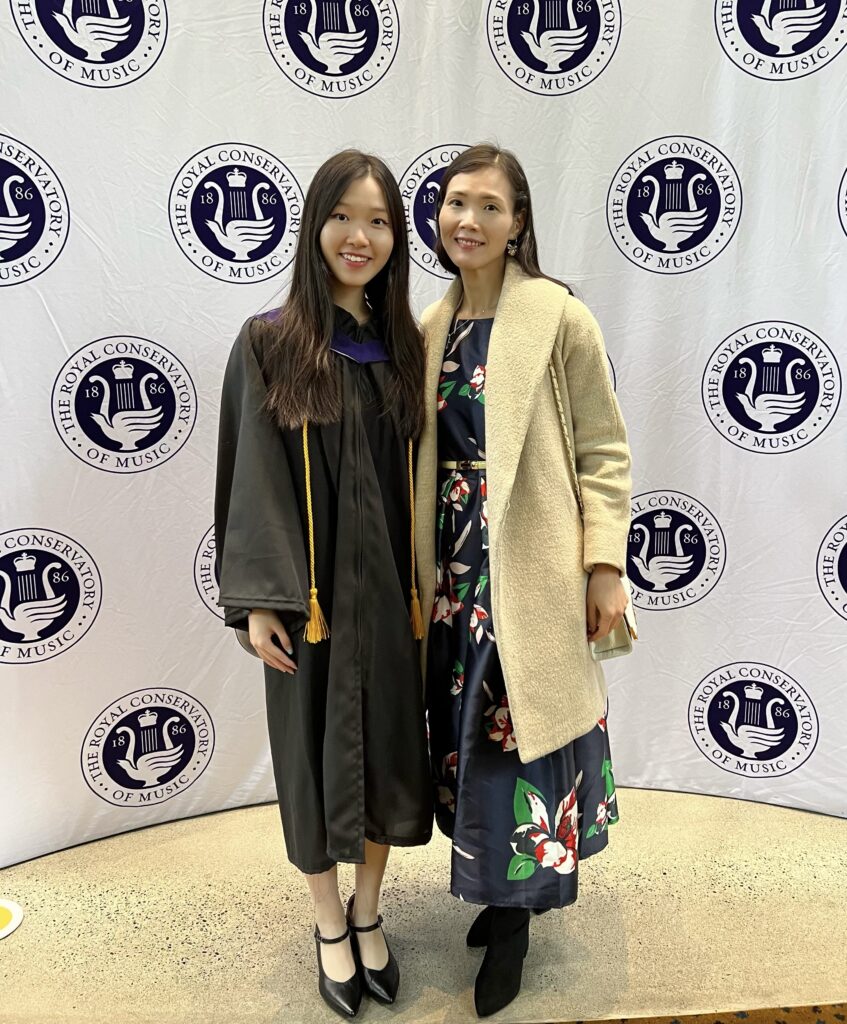
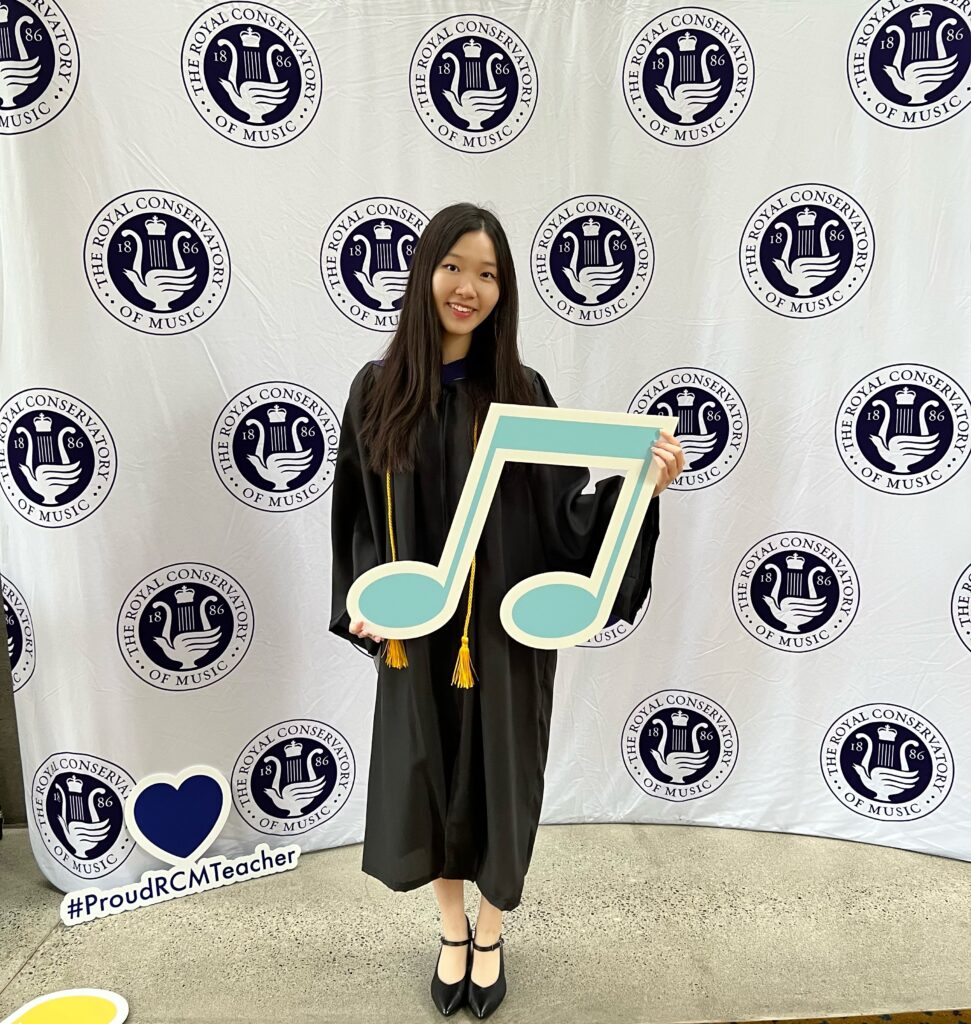
The child of immigrants from China, Shenger began playing piano as a child and went on to complete her Royal Conservatory of Music (RMC) piano teaching certifications at a young age, allowing her to start teaching early and contribute financially to her family.
Today, she’s working toward growing her own piano studio, combining her love of music with insights from her sociology studies to create a supportive, empathetic teaching environment for her students. Read about Shenger’s journey through music, and how she’s come to be in tune with her passions below.
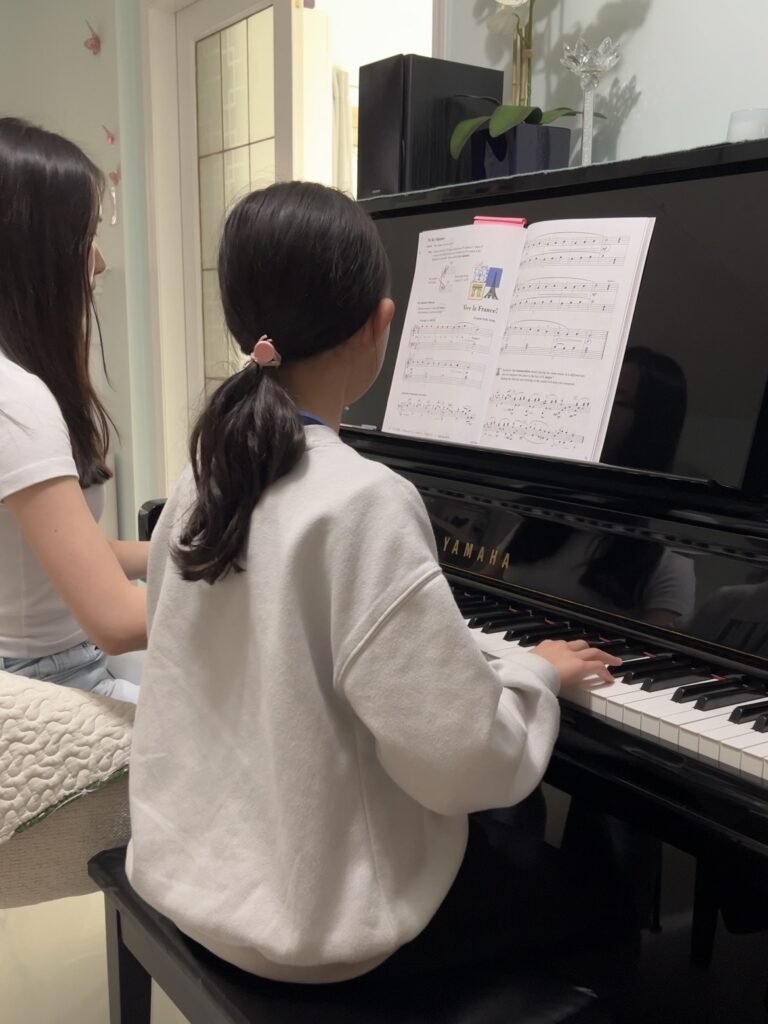
SHENGER CHEN — Some of my earliest memories are sitting at the piano after school, repeating the same passages over and over again until they finally sounded the way I wanted them to.
At the time, I thought I was simply learning music. Looking back now, I realize I was also learning discipline, patience, and resilience without even knowing it. Piano quickly became more than just an extracurricular activity in my life. It became a place where I could challenge myself, express emotions I did not always know how to put into words, and learn the value of consistency and hard work.
As an immigrant from China raised by a single mother, I learned from a young age that opportunities should never be taken for granted. Watching my mom work tirelessly to provide for my sister and me shaped the way I approached both school and music. She taught me the importance of perseverance, responsibility, and always continuing forward even during difficult times. During the pandemic, my family faced financial uncertainty, and that period changed my perspective on life in many ways. Instead of allowing those challenges to discourage me, they motivated me to work even harder toward my goals. I began to understand how important it was to create opportunities for myself rather than waiting for them to appear.
At that point in my life, piano became more than just a personal passion. I realized that music could also become a way for me to support myself, contribute financially to my family, and give back to others at the same time. I pushed myself to complete my RCM piano teaching certifications at a young age so I could begin teaching students earlier. Looking back now, that decision completely changed the direction of my life. What once started as hours of practicing alone at the piano gradually grew into a meaningful way for me to help students build discipline, self belief, and a love for music.
When I first started teaching piano, I thought the role of a teacher was mainly about helping students play the correct notes, improve technique, and prepare for exams. However, the more experience I gained, the more I realized that teaching music is truly about people. Every student walks into a lesson carrying different emotions, personalities, fears, and motivations. Some students are naturally confident, while others are afraid of making mistakes. I still remember students quietly apologizing after playing one wrong note, almost as if mistakes meant they were failing. Some students thrive with structure and discipline, while others need patience and encouragement before they can fully believe in themselves.
Over time, I began to understand that being a good piano teacher is not just about musical knowledge. It is about building trust, creating a supportive environment, and helping students feel seen and understood. Some of the most meaningful moments in teaching are not necessarily perfect performances or high exam marks, but the quieter moments when a student begins to realize their own potential.
I still remember one student who was terrified to perform at her first recital.
Before walking on stage, she quietly told me she thought she was going to mess up. A few months earlier, she barely wanted to play out loud during lessons. Watching her finish her performance with a huge smile on her face reminded me that teaching piano is about so much more than music. It is about helping students realize they are capable of more than they think. Watching shy students slowly become more expressive and proud of their progress has been one of the most rewarding parts of my journey as a teacher.
“Watching shy students slowly become more expressive and proud of their progress has been one of the most rewarding parts of my journey as a teacher.”
This realization connected deeply with my studies in Sociology at UBC. Sociology has taught me to think more carefully about human behaviour, motivation, identity, and the ways people are shaped by their environments and experiences. The more I studied sociology, the more I began to see these ideas reflected in my piano lessons. I became more aware of how confidence affects learning, how family dynamics can shape students’ relationships with music, and how important encouragement can be in helping someone grow.
Studying sociology has also helped me become a more empathetic teacher. It reminded me that success looks different for everyone. For one student, success may mean achieving a high RCM exam mark. For another, it may simply mean gaining the confidence to perform in front of others for the first time. These experiences taught me that music education is not only about achievement, but also about personal growth, self expression, and connection. At its core, teaching is really about understanding people, meeting them where they are, and helping them grow into the best version of themselves.
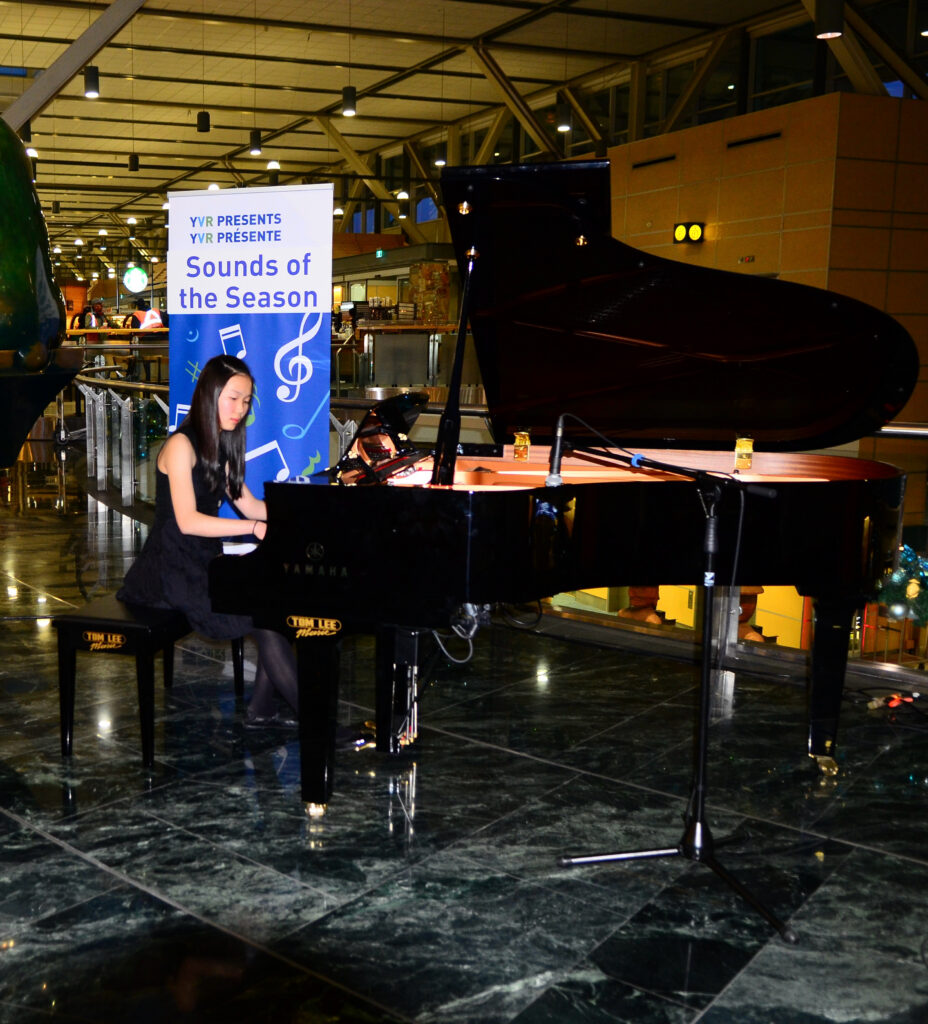
One of the most beautiful things about music is its ability to bring people together. Through teaching, accompanying the choir at Eric Hamber Secondary School, and volunteering as a pianist at Centre Church, I have seen how music creates connection and community in ways that words sometimes cannot. Music has the ability to comfort, inspire, and connect people in meaningful ways. Whether it is through a performance, a lesson, or even a quiet moment at the piano, I have seen how powerful music can be in bringing people together. Those experiences continue to remind me why I fell in love with teaching in the first place.
Today, alongside being a full time university student, I continue working toward growing my own piano studio. More than anything, I hope to create a supportive and inspiring environment where students feel encouraged not only to improve musically, but also to develop confidence, discipline, and a genuine appreciation for music. I want my students to feel proud of their progress and understand that growth takes patience, consistency, and belief in themselves. I hope my studio can become a place where students feel safe to learn, make mistakes, express themselves, and grow both musically and personally.
Looking back, I never imagined that my journey with piano would eventually shape so much of who I am today. Music gave me purpose during uncertain moments in my life, taught me resilience during difficult times, and allowed me to connect with others in meaningful ways. At the same time, studying sociology helped me realize that teaching is ultimately about understanding people and helping them grow.
As I continue building my future, I hope to keep combining both of these passions through music, education, and community. Piano may have first started as something personal, but over time, it became something much bigger. The same piano that once helped me find direction in my own life has now become a way for me to encourage and support others too.