Education has the power to change lives, but for too many bright, driven students, cost gets in the way of pursuing it. We believe finances shouldn't decide who gets to go further. That's why we're here.
Applications open November 2nd at 1PM (PST). Please review the 2027 Program Guidelines prior to starting your application.
Shrinking the Gap Between What You Love and What You Do: Christel Mazzek on Living with Curiosity
BEEDIE LUMINARIES — What is something you once loved that you have since forgotten about?” Christel asks, and it’s a question that leaves many of us, at any stage of life, in deep thought.
For this 2024 SHINE student, the question stayed with her, reminding her of the gap between her love of creating art and her path in the sciences. When the world tells you your interests are competing with your career, how do you ignore it and find where they meet, often in places you’d least expect?
In this article, Christel shares how her love of art led her to community work at The Reach Gallery Museum, where teaching young artists sparked a new curiosity about the children themselves. That curiosity followed her to research at UBC and, this year, to presenting at the Multidisciplinary Undergraduate Research Conference.
Along the way, she found that art and science have more in common than they seem. Both ask for patience, close attention, and a willingness to try again. Her reflection is a reminder that we don’t always need to know where our passions will take us before we follow them. Read more.
CHRISTEL MAZZEK — There’s a quote I think about often: “If you don’t stick to what you care about, what if you get stuck with something you don’t?”
“What is something you once loved that you have since forgotten about?”
It makes me wonder what there is to lose when we forget what we love to do. So I’d like to ask you: what is something you once loved that you have since forgotten about?
There is an expectation, particularly among young people, that our futures should unfold according to a specific plan. We are asked what we want to study, what profession we hope to pursue, and where we envision ourselves years from now. In a world increasingly preoccupied with productivity and success, it is easy to equate a “good” career with a successful life. Yet, somewhere in the pursuit of stability, prestige, and accomplishment, I think we can lose sight of one really important question: Do I actually enjoy the life I am building?
I am too indecisive to live according to a predetermined path. Instead, I have found myself drawn toward the things that make me curious, often without knowing where that curiosity will take me. My interests have carried me through seemingly disparate experiences, but when I look back, I don’t see unrelated projects but instead parts of myself in every topic I have chosen to explore.
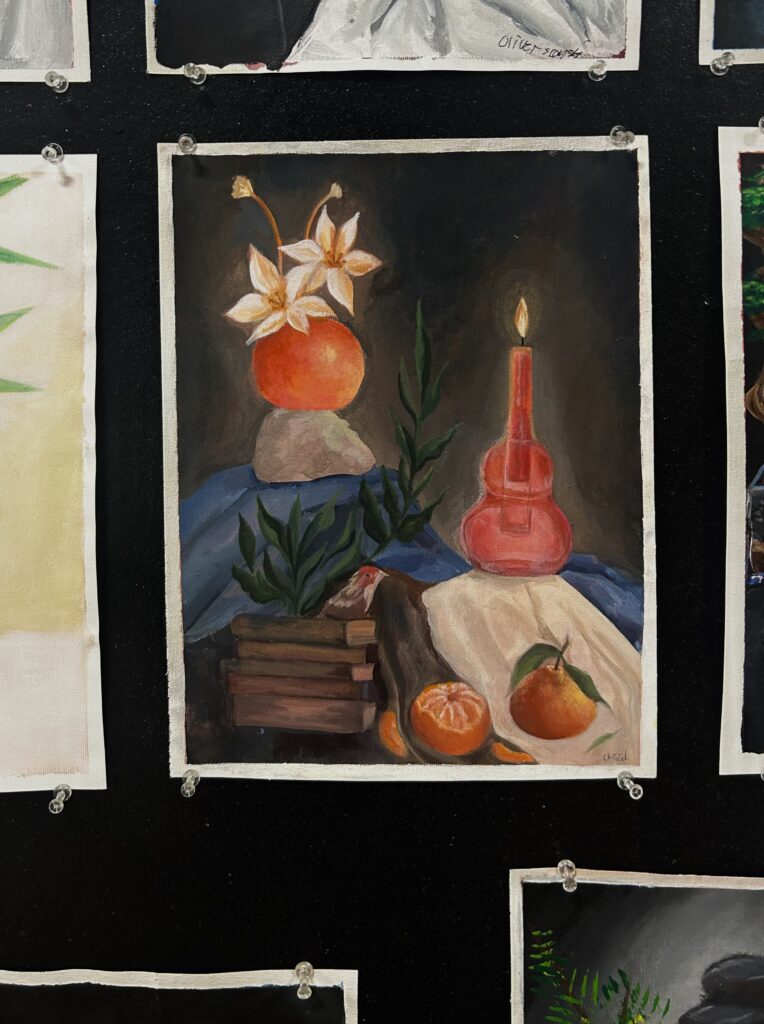
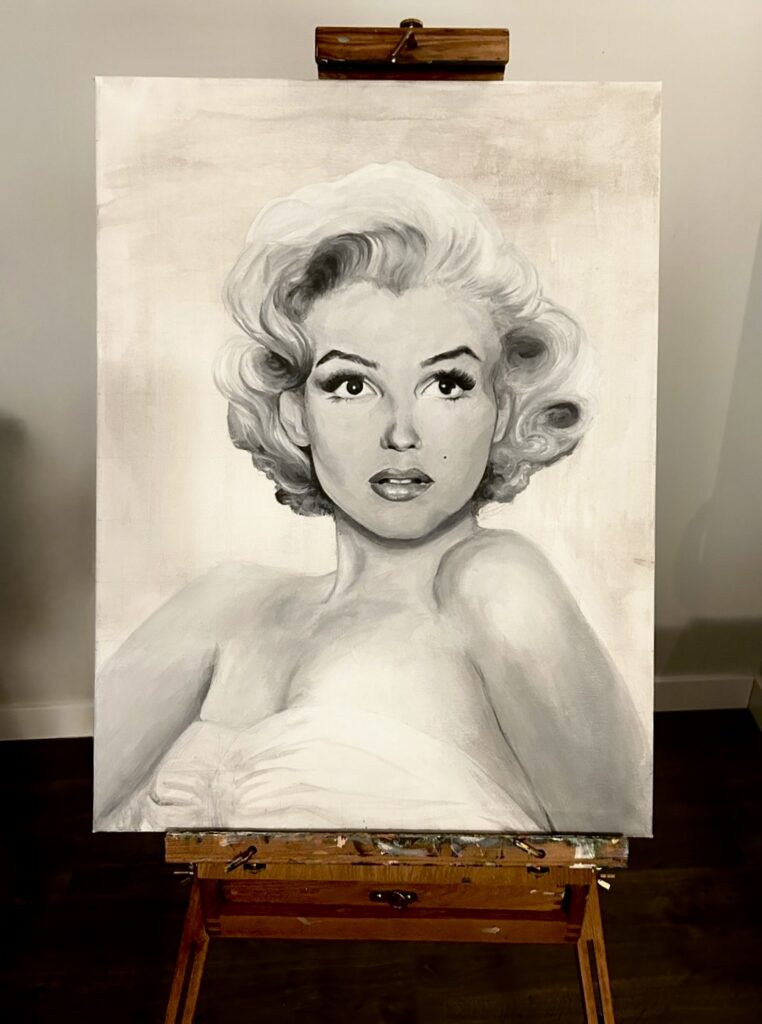
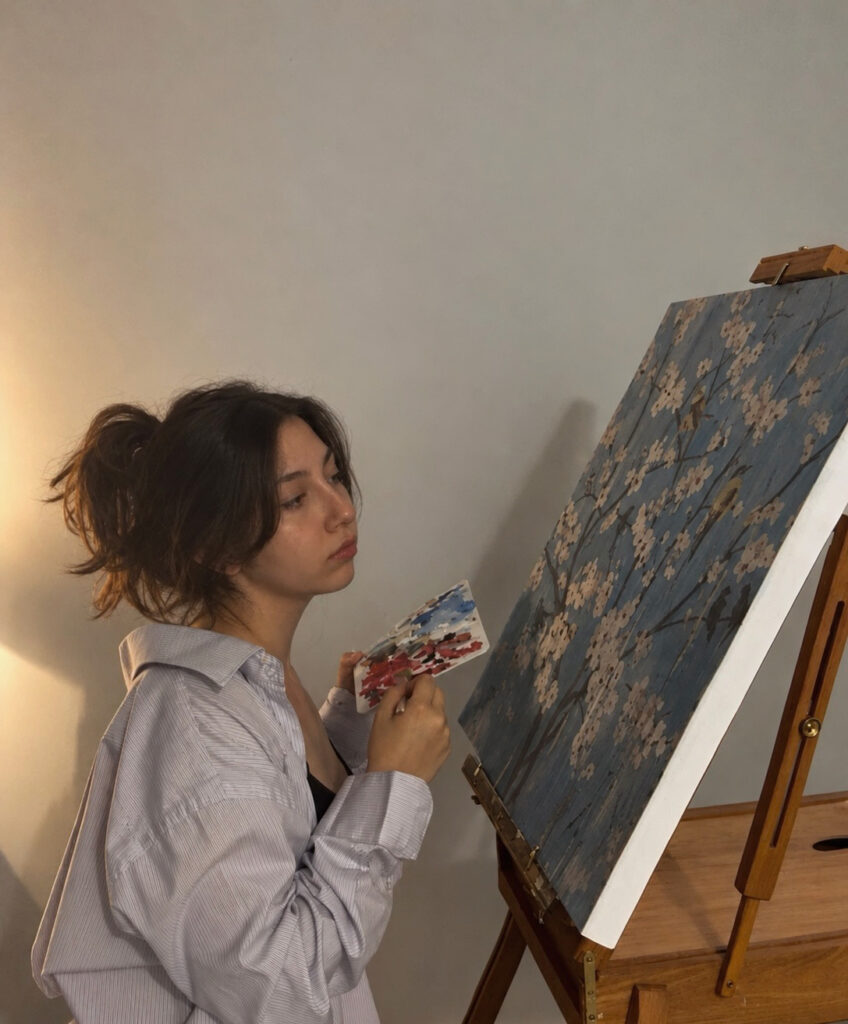
Art has been one of those interests in my life. For as long as I can remember, art has given me a way to observe and to appreciate the world around me. Through years of practice, I’ve learned that improvement in art is directly tied to effort. Improvement is rarely dramatic; more often, it is found in the accumulation of small steps. Maybe it’s a line painted more carefully, techniques practiced once more, or the patience to start over when something doesn’t resemble what you imagined. Art taught me resilience and patience with the process of becoming better. My passion for art eventually brought me into community service at different art galleries, where I began to experience the arts from a different perspective.
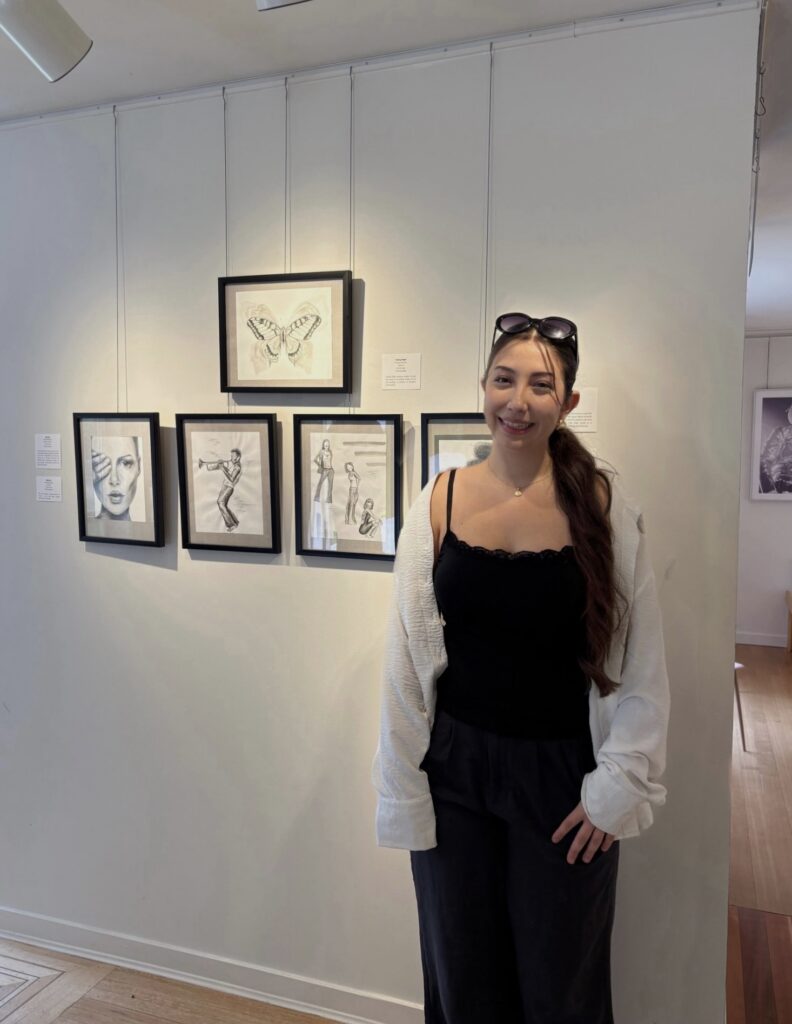
At The Reach Gallery Museum, I worked with children and families, facilitated art programs, and taught young artists as they experimented with their own ideas. After creating my own collection of artworks, I secured an exhibition at the Abbotsford Arts Council, giving me the opportunity to share my work with a wider audience on a larger scale for the first time. The more time I spent working with children, the more my attention shifted from what they were creating to understanding who they were. I found myself paying attention to the little things. I noticed the hesitation before a child picked up a brush, the excitement when an idea finally started to take shape, and the different ways they expressed things they could not always articulate yet. I became increasingly fascinated by the individuality behind each interaction and by the factors that shape howwe experience the world.
I was particularly interested when one of my students would repeatedly fall asleep whenever there was designated time for play. Knowing that he had been diagnosed with obstructive sleep apnea, I began to wonder about the condition beyond what I understood at the time. I knew that it disrupted sleep, but I found myself questioning what repeated disruption might mean for a developing child. How could something occurring during sleep influence a child’s health beyond the hours spent in bed? What happens when a condition that seems isolated to one part of the body begins to affect other systems?
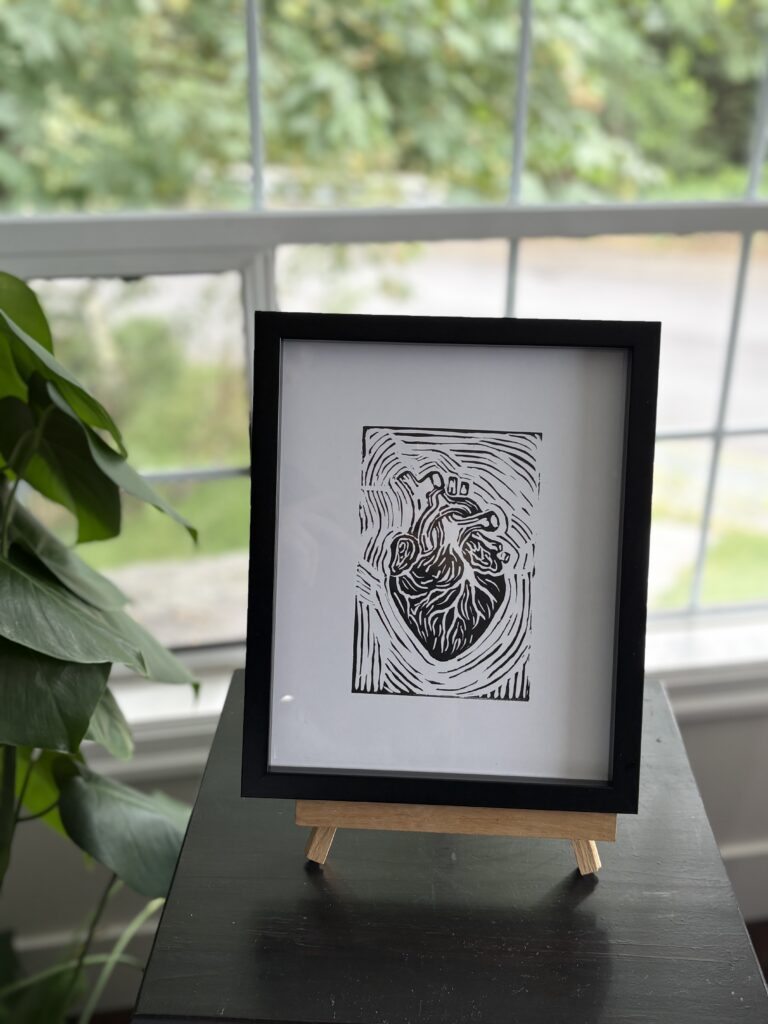
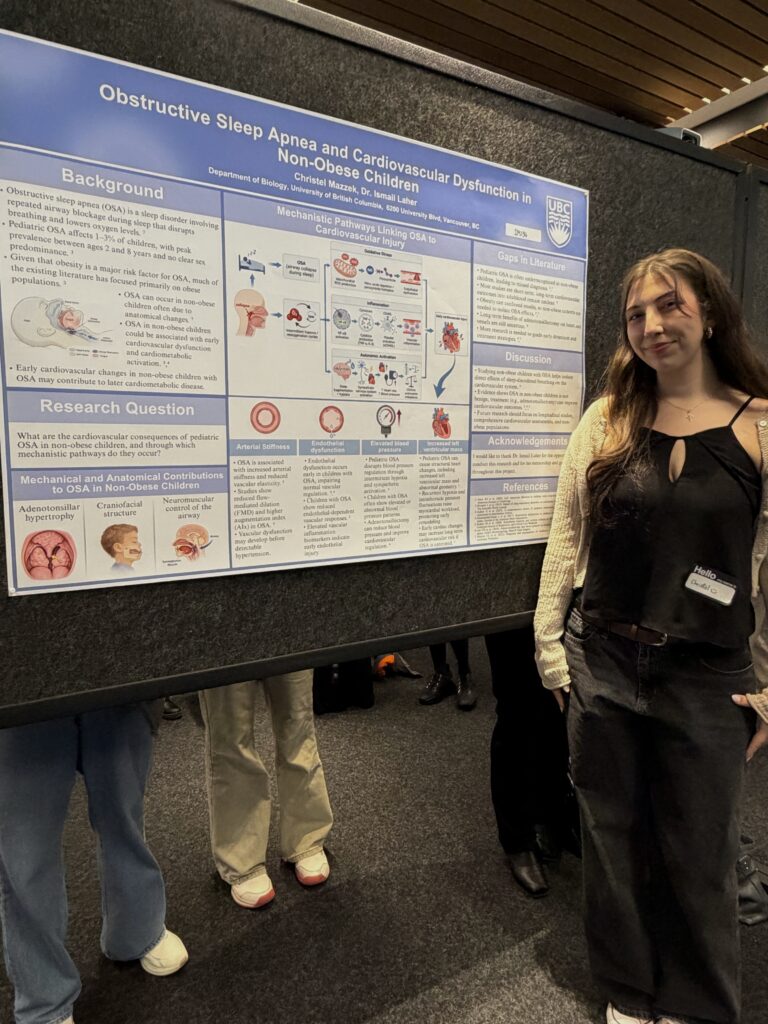
That curiosity eventually followed me to pursuing research at UBC about the topic. What began as an observation while working with a child developed into an interest in the cardiovascular consequences of pediatric obstructive sleep apnea in non-obese children and the mechanisms through which disrupted sleep may affect cardiovascular health.
In many ways, I have found that the distance between art and science is smaller than it first appears. Both require an attentiveness to detail and a willingness to look beyond what is immediately visible. Both demand patience with uncertainty and an understanding you truly have to work for, that rarely arrives all at once, sometimes not at all lol. Most importantly, both are driven by curiosity. The habits I developed through art have therefore become habits I bring into research. I approach a scientific question with the same patience with which I once approached a blank canvas. I lookclosely, make mistakes, revise, learn from them, and try again. I have come to understand that progress, whether creative or scientific, is rarely a single moment of discovery but instead an accumulation of small steps.
This year, I had the opportunity to present my research at the Multidisciplinary Undergraduate Research Conference (MURC). As I stood there presenting work that had grown from a question first sparked in an art gallery, I found myself thinking about how little of this journey I could have predicted. Art had led me to The Reach. The Reach had introduced me to children whose experiences changed the way I observed, eventually leading me to research. At no point did I sit down and decide that this would be my path, but I found myself in an interesting experience by following my curiosities.
I think there is something powerful in allowing our interests to guide us, particularly at a time when we are often encouraged to evaluate every decision according to where it will take us professionally. We can become so concerned with building an impressive future that we forget to consider whether we will actually enjoy living in it.
A career can be prestigious. It can be financially secure. It can look perfect on paper. But can we truly call it a “successful” career if we dread doing it? I believe we don’t always need to know where our passions will take us before we allow ourselves to follow them.
Sometimes, it’s enough to recognise what draws our attention and have the courage to pursue it.
So I’ll ask you once again: what is something you once loved that you have since forgotten about?